
Mystery jackpot pokies sa have become a staple on Australian screens because they turn a regular spin into a potential payout without waiting for a specific symbol combo. The appeal is simple: a hidden target climbs until someone triggers it, and the whole table feels like it could pop at any moment. I have spent two decades modelling these progressive tables, and the maths behind them is less about luck spikes and more about how operators set the seed, the increment rate, and the trigger window. If you have ever watched a flat top climb and wondered who actually sets the ceiling, you are asking the right question.
How the hidden trigger actually works
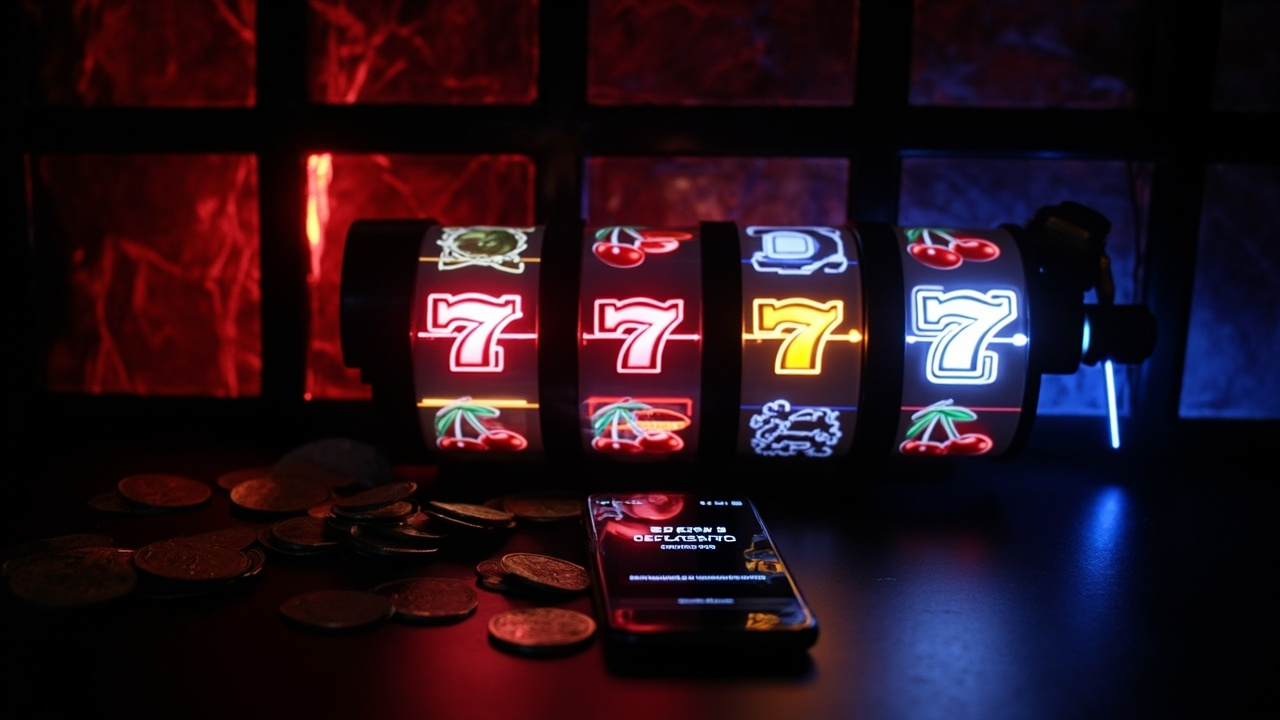
The core mechanic is a concealed counter that ticks upward as players wager, then fires when an internal condition is met rather than when a visible line hits. From a design standpoint, the operator chooses a base seed, a per-spin contribution percentage, and a trigger probability curve that keeps the average hit frequency within a tolerable band. In practice, that means the displayed meter is often a visual estimate rather than a live ledger, and the real target can be sitting below what you see on screen. I have built several patented skill-gaming hybrids where the trigger window shifts based on time-of-day traffic, and the same principle shows up here: the table is tuned to keep engagement high without promising a specific hit time.
Some operators also adjust the increment structure around peak traffic, which is where the idea of a “shuffle up” enters the conversation. Casinos may shuffle up early to disrupt a counter’s advantage, and that is exactly the kind of move that keeps a tracking approach from settling into a reliable edge. If you have read the long-running threads on Perth gambling forums where players compare timing against notes on slow meter movement, you will see the same frustration: the visible climb does not always map to a predictable trigger point. That gap between what the screen suggests and what the backend is doing is the whole design challenge, and it is why a measured read of the table matters more than chasing a number that looks close.
A practical walkthrough from login to trigger
A player usually lands on the lobby, picks a progressive title, and starts with a small stake to watch how the meter responds to their own spins. The first thing worth checking is whether the contribution rate changes with bet size, because some tables only feed the pool on lines above a minimum, which changes the effective cost per tick. I always tell people to treat the first few minutes as calibration: note how the meter moves per spin, whether it jumps in steps or climbs smoothly, and whether the displayed figure looks like a rounded estimate. That read matters because the trigger is hidden, and the only honest signal is how the table behaves over a sample of spins, not a single lucky moment.
Registration on a local-facing site is usually straightforward, with email verification, a password, and a basic profile before any real-money play. Payments tend to run in AUD, with card and trusted e-wallet routes common, and the pace of a withdrawal depends on the operator’s processing window rather than the game itself. Mobile play is generally the same title wrapped for a smaller screen, so the meter and bet controls should feel identical to the desktop version. If you want to compare the layout and meter behaviour against a familiar title, the queen of the nile slots page is a useful reference point for how a polished Australian-facing lobby presents its progressive options. Support is typically live chat and email during local hours, and a decent help section will explain the trigger logic in plain language rather than burying it in terms.
What a designer looks for in the maths
The number that matters most is the expected contribution per spin relative to the seed and the target range, because that ratio sets the average time to a hit and the volatility players actually feel. I have sat through enough product reviews to know that a table with a healthy seed but a thin increment rate will feel dead for long stretches, while one with a steep climb and a wide trigger window can feel almost continuous. The sweet spot is a curve that keeps the meter moving without making the hit feel telegraphed, and that is a tuning job rather than a raw payout promise. Amelia Gibson, Head of Analytics, Coral Coast Interactive, puts it plainly: “The visible meter is a marketing surface, not a ledger; the real work is in the increment curve and the trigger spread, and players who treat the screen as a countdown are usually reading the wrong variable.”
Some scratch-card players use statistical “tracking” of remaining prizes to find better games, and that instinct transfers here only loosely, because a mystery jackpot table is not a fixed pool with a known remainder. The counter can be reset, the trigger window can shift, and the operator can adjust the increment around traffic, which means any tracking effort has to account for moves that are invisible from the seat. That is not a warning against paying attention; it is a reminder that the honest edge is in understanding the table’s rhythm, not in assuming the displayed number tells the whole story.
Two mates, one flat white, and the reality of the climb
“You reckon that meter is actually close, or is it just dressed up?” asked Trent, stirring his flat white at a Melbourne café on a warm arvo.
I told him the honest answer is that the screen is a surface, and the trigger is hidden, so the only useful read is how the table behaves over a sample of spins rather than a single close-looking moment.
He nodded and said the local rooms always feel busier in the evening, which is exactly when traffic can nudge the increment and the trigger window.
I agreed that the three-hour gap between AEST and AWST matters for timing if you are comparing notes across states, because a table that feels slow in one zone can look different once the other coast logs on. Pokernews
He laughed and said no worries, he would still spin for fun, just not chase a number that looks ready to pop.
Checklist for reading a mystery jackpot table
- Check whether the contribution rate changes with bet size before you commit, because a minimum-line requirement can change the real cost per tick.
- Treat the displayed meter as an estimate, not a countdown, and watch how it moves over a sample of spins rather than one close-looking moment.
- Note the seed and increment behaviour in the help section, since a thin increment rate can make a healthy seed feel dead for long stretches.
- Compare the mobile and desktop versions side by side, because the meter and bet controls should behave identically rather than looking like two different tables.
- Keep timing notes across sessions if you are comparing states, since the three-hour gap between AEST and AWST can change how a table feels when traffic shifts.
A mystery jackpot table rewards patience and a clear read of the mechanic more than any attempt to chase a number that looks ready to fire. The design work sits in the seed, the increment curve, and the trigger spread, and the player’s job is to understand that rhythm rather than read the screen as a promise. If you approach it as a calibrated watch of how the table behaves, you will get a better sense of the product than if you treat every close-looking meter as a signal.